Walking through any manufacturing hub, it's easy to spot brands that have put in years forging their reputation. LG EVA stands out among them, not by sheer chance, but by mixing smart chemical engineering with a long-term vision. The story traces back to the foundation of LG Chem, starting in South Korea as a chemical company hungry to supply essential industrial materials. Over the years, watching the trends and thinking ahead, they turned to ethylene-vinyl acetate copolymers—what the world knows now as EVA. Early days brought experiments, questions, and trial batches. Eventually, LG harnessed the tricks of polymer science to deliver a versatile, consistent EVA granule that industries could trust. From these origins, LG EVA took shape as more than just a product. It grew into a symbol of adaptability, helping manufacturers rethink what's possible in plastics, footwear, packaging and solar panels.
Competition in the EVA industry offers no room for short cuts. Brands try to win over factories and designers who stake their own reputations on reliable materials. LG EVA carved out a foothold by showing up with material properties that stretched beyond the basics: high environmental stress crack resistance, fine flexibility, translucent looks in films, and an ability to handle blends without fuss. Over time, LG's in-house engineers built a feedback loop with customers, tuning the synthesis process to keep colors true and outgassing low, especially important for solar films and food-safe foams. What stood out working with LG EVA: deliveries matched the spec sheet, projects didn't stall from quality issues, and plant teams noticed fewer sticky surprises in the extruders. The brand kept its promise, even as supply chains grew more complex or application fields got stricter on compliance—earning trust and repeat buyers.
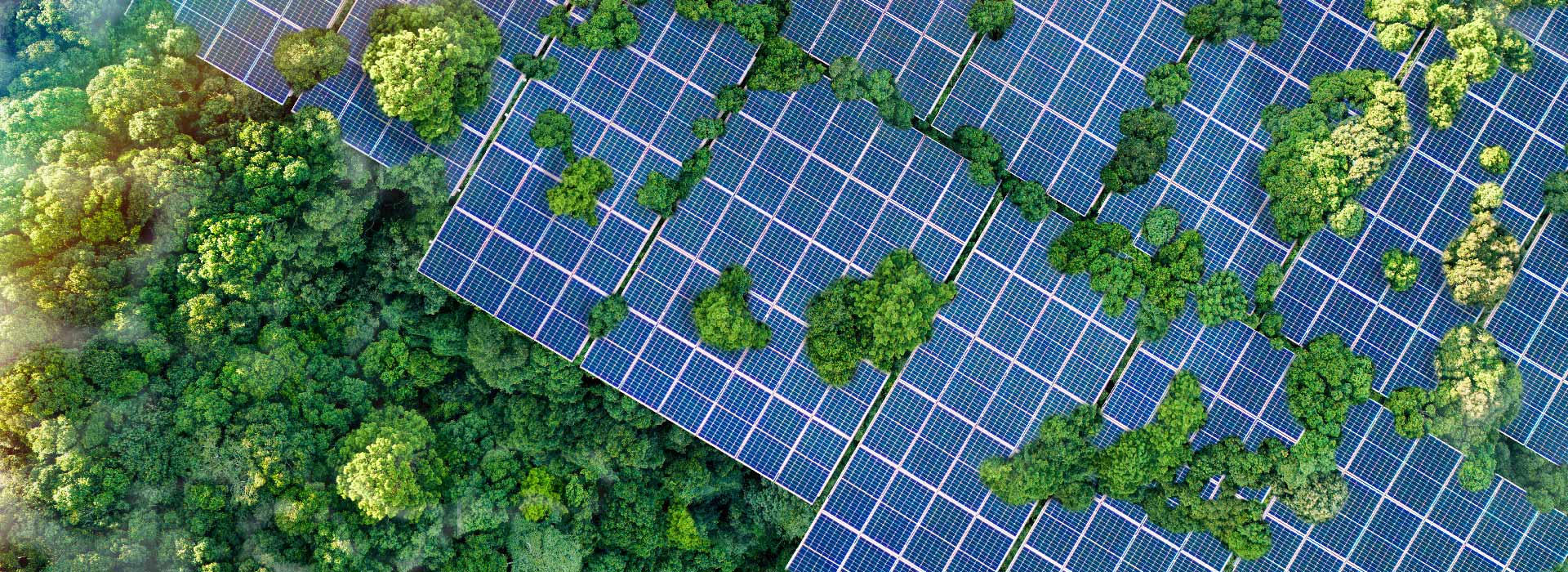
EVA remains a workhorse material, but LG keeps finding ways to make it do more. I've seen new grades hit the market right when packaging brands asked for thinner film with more toughness. Shoe manufacturers chasing lighter soles started picking up LG EVA with higher vinyl acetate content for improved shock absorption. Solar energy projects, once on the fringes, moved closer to the mainstream forever when LG developed encapsulant grades that hold up under harsh UV, time, and heat. This sort of timely evolution doesn't happen in a vacuum. Real people in R&D labs, and on the factory floor, share their frustrations, and LG listens more than they talk, then tweaks recipes and processing guides. Instead of resting on a “satisfactory” status, they push for answers, and the market keeps shifting its expectations in the process.
Manufacturers today face sharp eyes from regulators and consumers alike. They want to avoid substances that harm health or linger in soil and water. LG EVA hasn't ignored this reality. LG Chem joined international programs on Responsible Care, established rigorous in-house audits, and moved to reduce phthalates, heavy metals, and unwanted plasticizers from their EVA products. In plants, staff receive ongoing training in safe handling, and LG tracks not just waste output, but also energy use and emissions. Their push for certifications like ISO 14001 and ISO 9001 became more than paperwork—they’ve shaped real changes, like water reuse and solvent recycling. My own experience reviewing procurement options led me to favor LG EVA for projects that could face environmental auditing, since the paperwork and transparency stood up to questioning. It's reasonable to expect brands to support both performance and safe working conditions, and LG EVA continues to deliver this balance.
No path is smooth for decades, and LG EVA has stared down plenty of hurdles. Raw material cost swings, logistics headaches, and rising demands from automotive and solar sectors keep supply chain teams on their toes. During the pandemic, factories everywhere learned the awkward lesson that without strong partnerships, raw material disruptions shut everything down. LG Chem managed to cushion this shock better than some, leveraging both local Korean production and global outposts to supply key regions. They leaned into digital platforms that made ordering and technical support more direct, less reliant on old-school sales routines. LG's willingness to invest in pilot-scale facilities—let engineers test custom blends without waiting months—meant designers could pivot fast when end customers got picky or certification rules changed. This kind of agility doesn't sprout overnight; it reflects a management culture willing to fund improvements, not just cut costs.
It's tough these days to separate advertising claims from the ground truth. In EVA, traceability and certification now mean more than slick brochures. LG EVA management recognized this shift, choosing to publish test results for mechanical and optical performance, and opening the door for third-party audits. This way, clients—and their own customers—have facts in hand for making decisions under pressure. In one project, regulators in the EU asked for proof on migration limits in food contact films. LG EVA’s technical team handed over not only the compliance docs, but also R&D data showing long-term trends in monomer residue. That kind of support proves invaluable when the stakes include public safety or massive product recalls. Direct lines of communication, tech data transparency, and access to polymer scientists all shape a deeper, more real accountability.
Progress doesn’t come from following the old path, and LG EVA keeps setting its sights higher. They've invested in digital R&D platforms, bringing AI modeling into the fold to spot new use cases and predict product aging, cutting expensive trial and error. Teams talk openly about capital expenditures for pilot reactors, allowing faster tweaks when clients suggest tweaks for new processes or sustainability goals. The company's outreach to universities and technical institutes has built a talent pipeline—chemists, engineers, and data analysts who care just as much about molecular weight distributions as they do about finished product shine. Their push goes beyond chasing profit; it's about fueling whole economies built on plastics reimagined, giving both established and emerging sectors the confidence to plan years ahead.


